With rising costs for just about everything, and the Christmas season looming, it might be tempting for those on a tight budget to think about skipping their HVAC system maintenance this year. While the average cost for a seasonal HVAC tune-up is around $150, the price can go as high as $400, depending on the size, type and location of the system.
If any of your HVAC equipment is still relatively new, you’ll want to check your warranty for any preventative maintenance requirements. You may have to have it serviced by a professional to keep the warranty valid.
Although HVAC maintenance should be done annually, if you’re willing and able to do the work, there are some preventative measures you can take to stretch it for another year. Here are the DIY tips that will help keep your system healthy, until you’re able to book your next tune-up:
Check & Replace Your HVAC Filters Regularly
When your furnace sits unused during the warmer months, some of its components will always start to collect dust, cobwebs and debris. Regular replacement of your filters when they become dirty is very important to your HVAC system’s overall health because any dust and debris that has become trapped can easily prevent it from heating properly or from turning on at all.
Even when your furnace seems to be running fine, dirty air filters will cause more strain on the system and it will run less efficiently, meaning your energy costs will go up. It is recommended you change your filter every 30–60 days to prevent added strain on your system, which can result in a premature need for replacement.
Keep Your Heating & AC System Free of Debris
When preparing your HVAC for changing seasons, it’s equally important to remove anything within 2 feet of your system’s components that may obstruct and restrict airflow. Combustible products should never be stored near your heating system.
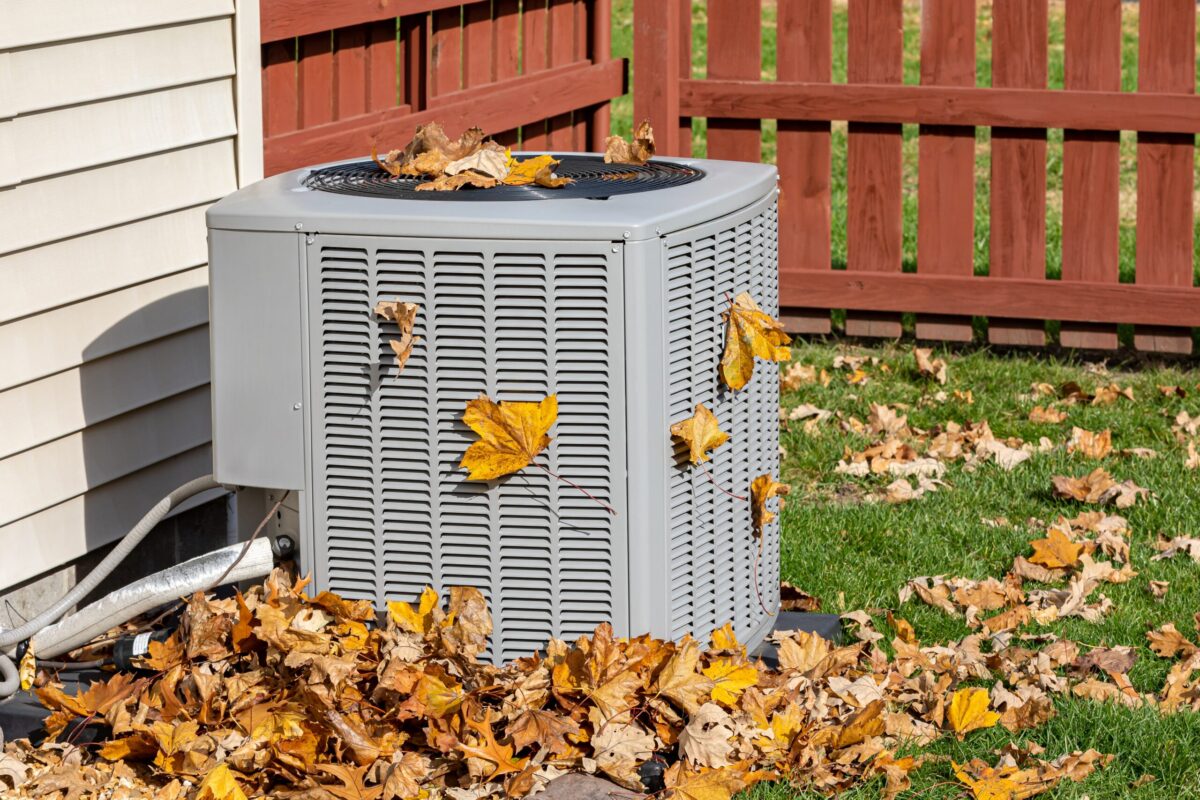
You must also remember any outdoor units you may have, to ensure that vegetation, leaves, pollen, dirt, sticks or other debris are cleared from the tops and sides to allow for maximum airflow that will increase your system’s efficiency and lifespan.
In addition, you should turn your air conditioner off during the winter and protect it with a cover if you choose. To prevent your air conditioner from being accidentally powered on, you should also turn off the outdoor switch.
Check Your Ducts & Keep Your Registers Clean
Leaks or blockages in your ductwork can reduce power, reduce heat, and pose safety hazards. Visually inspect your ductwork for any signs of damage, such as cracks, holes, or loose connections. Seal any leaks with duct tape or mastic sealant.
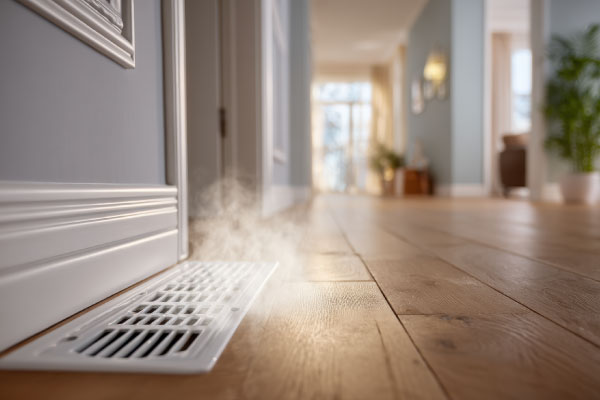
Dust and wipe down your registers regularly to prevent dust and dirt from entering your system. Additionally, ensure that there are no obstacles blocking your registers. Relocate any heavy furniture or objects that might be obstructing them, as this can impede the flow of heat into your living areas and potentially strain your heating system.
Your Humidifier Could Use a Summer Vacation
During the hot and humid summer months, consider shutting off the water supply to your furnace’s humidifier to give it a rest. When you’re ready to re-engage it for cooler weather, start by replacing the water panel, also referred to as the humidifier pad, and adjust the relative humidity to a range of 35% to 45%. By doing this, you’ll enhance your humidifier’s efficiency during the winter season and effectively combat dry air problems by supporting the ideal indoor humidity levels in your home.
Fans Can Be Useful: Give Your System a Break
Whenever possible, ceiling fans and standalones can be helpful with circulating the air in your home so that your system can have a break. Instead of relying on programming your thermostat to beat the summer heat, you can bring the temperature down quicker with their help.
You can also open your windows at night to allow the cooler air in and let the fans do the work of keeping the temperature comfortable. This will not only help give your system a break and lengthen its lifespan, but you’ll also save money on energy costs.
Listen & Find Any Unusual Sounds
If you hear any unusual sounds coming from your HVAC system, you’ll want to do your best to find the source. Quite often, these noises indicate debris or a blockage in your vents, but they can also be from loose bolts on the furnace or registers. When neither of these issues can be confirmed as the source, here are some other common reasons for noise coming from your HVAC system:
- Rumbling: Usually occurs when there’s a problem with the blower motor or belt.
- Buzzing: Loose wires or a broken capacitor may be to blame.
- Clanking: A malfunctioning fan blade or compressor is usually the culprit.
- Rattling: There could be a broken piece inside the unit.
- Clicking: When you first switch on the heat it’s the sound of your ignition. If it doesn’t stop after that, there could be a more serious problem.
In cases where you’re unable to find or fix the problem, it’s strongly recommended that you seek a professional to ensure your safety, as well as protect your system from possible further damage.
When You Need to Contact a Professional
One of the most important parts of servicing a furnace is cleaning it. If your furnace isn’t cleaned regularly, its performance can quickly start to suffer, leading to the unit not producing nearly as much heat. Not only is your comfort diminished when your furnace is malfunctioning, but there may also be possible safety risks.
When it comes to furnace repairs, our technicians have seen and fixed it all. Here are some of the most common issues we encounter:
- Dirty Filters: A clogged furnace filter can restrict airflow. This leads to decreased furnace performance and safety hazards.
- Ignition Problems: Issues with the pilot light or ignition control can cause furnace systems to fail, which means they will not start or stay on.
- Thermostat Malfunctions: Incorrect thermostat settings or wiring issues can lead to a lack of heat.
- Blower Motor Issues: The blower motor is a critical part of your furnace system. Defects can cause reduced airflow or create loud, disruptive noises while in operation.
- Duct Leaks: Leaks or blockages in your ductwork can reduce power, reduce heat and pose safety hazards.
Trust Comfort Zone Heating & Air Conditioning to quickly and accurately identify, diagnose, and repair your HVAC issues. Contact us today at (905) 377-9719 and see why our furnace repair services are second to none in Cobourg, Ontario, and the surrounding areas.




 When there is no heat, waiting too long can create more problems than most homeowners expect. During an Ontario winter, indoor temperatures can drop quickly, especially overnight or in older homes. That drop can put stress on plumbing, flooring, and other parts of the home.